I owe my life to these mountains and I want them preserved that others may profit by them as I have. Here today is the last stand of primeval American forest at its best. If saved -- and if saved at all it must be done at once -- it will be a joy and a wonder to our people for all time. The nation is summoned by a solemn duty to preserve it.
About Great Smoky Mountains National Park
Formed roughly 200-300 million years ago, the Great Smoky Mountains are among the oldest mountains in the world. Today, the park bearing the name of these mountains encompasses more than 521,000 acres (more than 800 square miles). Just over half of this landmass lies within the state of North Carolina, with the rest in Tennessee.
The Great Smoky Mountains National Park receives more than 9 million visitors a year, making it the most visited national park in the country. The Grand Canyon, the second most visited national park, receives roughly 4.4 million visitors per year!
June, July, August and October are the most popular months for visitors. The park sees more than a million visitors during each of these months.
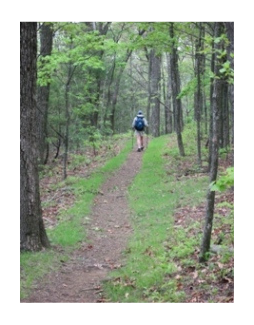
Although the Smokies may seem overcrowded with these kinds of numbers, it's still very easy to escape civilization. The park boasts more than 800 miles of trails, including roughly 71 miles of the Appalachian Trail which runs along the crest of the Smokies. Yes, there are a few trails with extreme crowds during the summer, but these are usually the shorter trails near Gatlinburg, Cades Cove or along Newfound Gap Road. Go to the more remote sections of the park, or take a longer trail, and you're likely to find virtual solitude
Hikers will find that trails in the Smokies offer a great amount of diversity. For one, elevation in the park ranges from 840 feet at the mouth of Abrams Creek on the western edge of the park, to 6643 feet at the summit of Clingmans Dome. There are also more than 2100 miles of streams in the park, making for numerous fishing opportunities, picnic spots, or even a swimming hole during a hot summer afternoon.
The Smokies are home to more than 1600 species of flowering plants. During the spring, wildflowers explode during the brief window prior to trees leafing out and shading the forest floor (from about mid-April thru mid-May). During the early summer period (from about mid-June to mid-July), awesome displays of mountain laurel, rhododendron, flame azalea, and other heath family shrub flowers can be enjoyed, especially on the higher elevation balds.
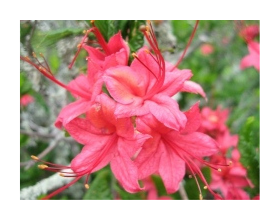
For Catawba rhododendron, take the relatively short hike to Andrews Bald. Although somewhat of a long trek, hikers going to Gregory Bald will be amply rewarded by the exceptional displays of flame azalea at the summit. Finally, Spence Field is by far the best place for mountain laurel. You can click here to see a list of trails known for abundant wildflowers.
There are 66 species of mammals, including black bears, elk, bobcats, fox, coyotes and river otter that live within the park. Based on a study conducted in 2006, biologists estimate that approximately 1,500 black bears live in the park, a density of approximately two bears per square mile. This national park page will provide you with a better understanding of bear behavior and what to do if you see one on the trail.
Additionally, there are over 245 varieties of birds, 83 native fish species, and more than 80 types of reptiles and amphibians (data is from the All Taxa Biodiversity Inventory).
Hiking In The Great Smoky Mountains
Top 10 Hikes in Great Smoky Mountains National Park
Best Easy Hikes in the Smokies
Best Waterfall Hikes in the Smokies
Best Fall Hikes in the Smokies
Appalachian Trail Guide for the Smokies
Loop Hikes in the Smokies (day hikes and backpacking options)
Other Hiking Destinations in the Smokies Region
The Top 10 Longest Trails in the Southeast
Origins of the Trails in the Great Smoky Mountains
Great Smoky Mountains Travel Information
Weather Forecasts and Climate for the Smokies
Camping in the Great Smoky Mountains
Bicycling in the Smoky Mountains area
The Synchronous Fireflies of Elkmont
Place Names in the Smoky Mountains
Park Policy on Hiking with Dogs
Temporary Road and Facility Closings
Hiking Tips
Top 10 Items to have on a Dayhike
Tips for keeping cool in the summer
Hiking Calorie Calculator / Best Foods for Hiking
Taking care of your hiking feet
Lightning: what to do while hiking